
Enhancing Military Training with Virtual Reality
Virtual Reality (VR) has emerged as a game-changer in military training, offering a level of realism and immersion never seen before. These cutting-edge simulations replicate real-world scenarios, allowing soldiers to train in a safe and controlled environment. By leveraging the power of VR, military personnel can develop critical skills, improve decision-making abilities, and enhance overall performance.
Realistic Combat Scenarios
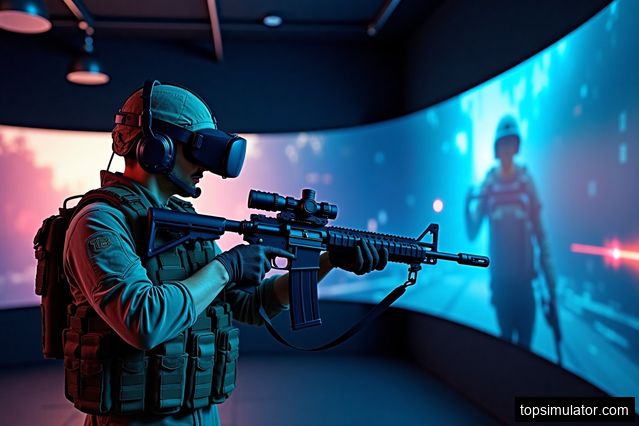
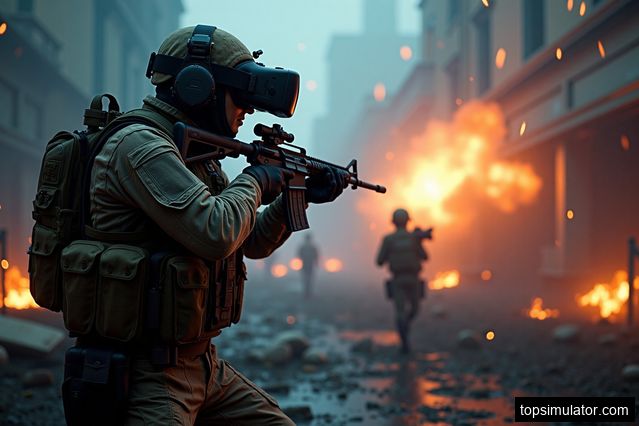
Next-gen VR simulations enable soldiers to experience realistic combat scenarios without the risks associated with live training exercises. They can engage in virtual battles, practice tactical maneuvers, and hone their marksmanship skills, all within a highly immersive environment. This level of realism helps soldiers familiarize themselves with the challenges they may face on the battlefield, enabling them to be better prepared for real-life situations.
Immersive Training for Special Forces
Virtual reality is particularly valuable for training special forces units. These elite soldiers often face high-risk operations that require exceptional skills and precision. VR simulations allow them to train for complex missions, such as hostage rescues or counter-terrorism operations, in a realistic and dynamic environment. By replicating these scenarios, VR technology helps special forces develop their teamwork, decision-making, and situational awareness skills.
Simulating Diverse Environments
One of the significant advantages of next-gen VR simulations is the ability to simulate diverse environments. Special forces can experience different terrains, weather conditions, and urban landscapes, preparing them for missions in various parts of the world. This versatility enhances their adaptability and ensures they are ready to face any challenge, regardless of the environment they may encounter.
Improving Soldier Performance and Safety
Virtual reality simulations not only enhance training effectiveness but also contribute to the safety of military personnel. By reducing the need for live training exercises, which can pose risks and incur significant costs, VR technology minimizes the chances of accidents and injuries. Additionally, VR allows soldiers to repeat training scenarios as many times as necessary, accelerating the learning process and improving overall performance.
Data-Driven Training Insights
Next-gen VR simulations collect valuable data during training sessions, providing trainers with insights into soldiers' performance. By analyzing this data, instructors can identify areas for improvement, tailor training programs to individual needs, and track progress over time. This data-driven approach to training ensures that soldiers receive personalized instruction and increases the effectiveness of the training process.