

Enhancing Training Efficiency and Effectiveness
High-fidelity simulation technologies have emerged as a game-changer in the field of industrial training. These advanced training tools provide a realistic and immersive learning experience, allowing trainees to gain practical skills in a safe and controlled environment. By replicating real-world scenarios, high-fidelity simulations enable trainees to practice complex tasks, decision-making, and problem-solving, leading to enhanced training efficiency and effectiveness.
Simulating Realistic Environments
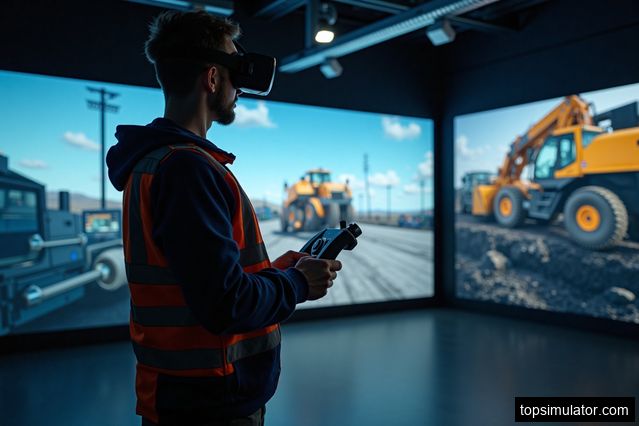
One of the key features of high-fidelity simulation technologies is their ability to simulate realistic environments. Trainees can step into virtual replicas of industrial settings, such as factories, power plants, or construction sites, and interact with virtual equipment and machinery. The fidelity and accuracy of these simulations enable trainees to familiarize themselves with the equipment, tools, and operations they will encounter in real-world scenarios. This hands-on experience builds confidence and competence, ensuring that trainees are well-prepared for their roles.
Improving Safety and Risk Mitigation
Safety is a paramount concern in industrial training. High-fidelity simulation technologies provide a safe environment for trainees to practice potentially hazardous tasks without the risk of injury or damage. Trainees can learn how to respond to emergencies, handle critical situations, and follow safety protocols in a controlled setting. By experiencing and understanding the consequences of their actions within the simulation, trainees develop a strong sense of safety awareness, which translates into improved safety practices in real-world scenarios.
Real-time Feedback and Performance Evaluation
High-fidelity simulations offer real-time feedback and performance evaluation. Trainees receive immediate feedback on their actions, allowing them to correct mistakes and improve their skills on the spot. This iterative process enables trainees to learn from their errors and refine their techniques. Moreover, trainers and instructors can assess trainee performance objectively by analyzing data generated during the simulation. This data-driven approach facilitates targeted coaching and personalized training plans, maximizing the effectiveness of the training program.
Enhancing Collaboration and Teamwork
Industrial training often involves teamwork and collaboration. High-fidelity simulation technologies facilitate collaborative learning by enabling trainees to work together on complex tasks within the virtual environment. Trainees can communicate, coordinate, and make decisions as a team, just as they would in real-life work scenarios. This collaborative approach fosters teamwork skills, effective communication, and problem-solving abilities. By practicing teamwork in a simulated environment, trainees can develop strong collaboration skills that will translate into improved performance and productivity in the workplace.
Remote Training and Accessibility
Another advantage of high-fidelity simulation technologies is their ability to facilitate remote training and accessibility. Trainees can access the simulations from anywhere, eliminating the need for physical training facilities and reducing logistical constraints. This accessibility opens up opportunities for remote workers, international trainees, and individuals with limited mobility to participate in industrial training programs. By making training accessible to a wider range of individuals, high-fidelity simulations contribute to a more inclusive and diverse workforce.