
Enhancing Mission Preparedness
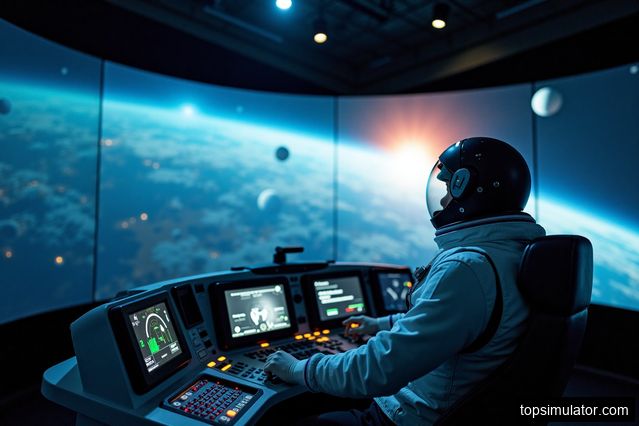
Simulation solutions offer a unique opportunity to train astronauts and engineers for the challenges they may encounter during space exploration missions. These tools allow individuals to familiarize themselves with spacecraft systems, practice critical procedures, and develop problem-solving skills in a controlled and realistic environment. By replicating various mission scenarios, simulations enable teams to identify potential issues and optimize mission plans before embarking on costly and dangerous space journeys.
Spacecraft Operations Simulation
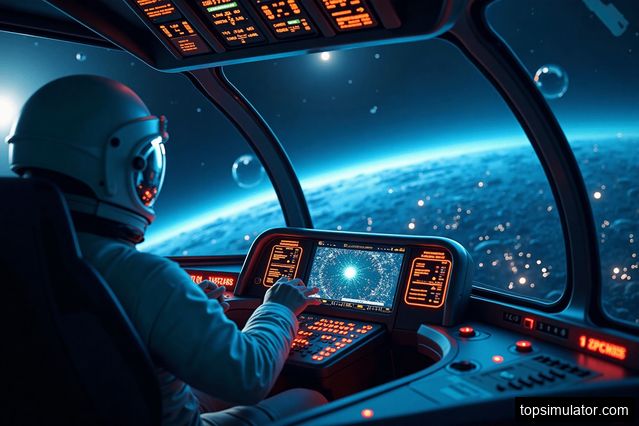
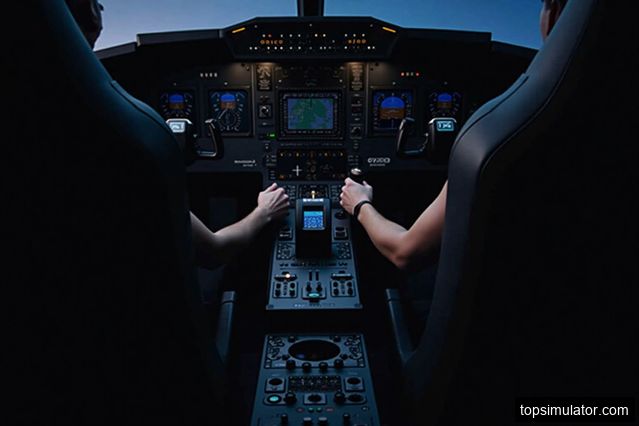
One of the key aspects of space exploration missions is spacecraft operations. Simulations provide astronauts and engineers with the opportunity to virtually operate spacecraft systems, from launch and docking procedures to complex maneuvers in microgravity. By interacting with realistic virtual environments, mission participants can refine their skills, understand the intricacies of spacecraft controls, and ensure smooth operations during actual missions. These simulations also allow for the evaluation of different mission strategies and the identification of potential risks and mitigations.
Recreating Extraterrestrial Environments
Simulation solutions go beyond spacecraft operations and also enable the recreation of extraterrestrial environments. These tools allow scientists and astronauts to study and understand the unique conditions found on celestial bodies such as the Moon, Mars, and beyond. By accurately simulating factors like reduced gravity, extreme temperatures, and diverse terrains, researchers can test equipment, study the effects on human physiology, and develop strategies to overcome the challenges of living and working in these environments. Additionally, these simulations aid in the design and testing of specialized vehicles, habitats, and equipment optimized for extraterrestrial exploration.
Planetary Surface Exploration
Simulations of planetary surface exploration allow astronauts and scientists to virtually experience the unique environments of other celestial bodies. By using advanced virtual reality technologies, individuals can explore the landscapes of the Moon, Mars, and other planets, familiarize themselves with the challenges of navigation and sample collection, and gain a deeper understanding of the scientific objectives of future missions. These simulations also contribute to the development of optimized mission plans, ensuring that astronauts are well-prepared for the complexities of space exploration.
Advancing Mission Safety and Success
Simulation solutions significantly contribute to the safety and success of space exploration missions. By providing realistic training opportunities, these tools help minimize risks and enhance mission preparedness. Moreover, simulations enable teams to test and refine mission plans, identify potential issues, and develop contingency strategies. This comprehensive approach ensures that space exploration missions are executed with the highest level of safety, efficiency, and scientific success.
Emergency Scenarios and Contingency Planning
Simulations allow astronauts and mission control teams to practice emergency scenarios and develop effective contingency plans. From equipment failures to medical emergencies, these simulations provide valuable training opportunities to handle unpredictable situations. By rehearsing emergency procedures in a simulated environment, astronauts and mission personnel can improve response times, coordination, and decision-making, ultimately enhancing mission safety and the chances of a successful outcome.